








Work is supposed to contribute to well-being, but unfortunately the workplace can also be a source of stress and mental overload. In some cases, the work situation can even lead to psychological symptoms such as burnout, depression or anxiety disorders. What can you do if you become mentally ill at the hands of your employer? In this article, we discuss your rights, possible steps and ways to seek help. More info...

Wat betekent “psychisch ziek door werkgever”?
Psychological complaints by the employer often arise from factors such as:
- High workload: Structural overload without adequate rest periods.
- Unsafe work environment: Bullying, intimidation or disrespect.
- Lack of support: Unrealistic expectations and insufficient guidance.
- Conflicts in the workplace: Unresolved tensions with colleagues or supervisors.
These conditions can lead to mental overload and, in severe cases, even mental illness.
Your rights as an employee
If you become mentally ill because of your work, you have rights that protect you:
Right to sick leave
- You are entitled to leave if you are unable to work due to mental illness.
- You receive (partial) continued pay during illness, depending on your contract and local laws.
Right to guidance
- Your employer must support reintegration and guide you to return to work.
- This can be done in cooperation with an occupational physician or occupational health and safety service.
Protection from dismissal
- During illness, your employer may not simply fire you.
- Dismissal during illness is possible only under strict conditions, such as after long-term sick leave.
Employer responsibility
- According to the Occupational Health and Safety Act, your employer must provide a safe and healthy workplace.
- If your complaints stem from the employer's negligence, you may want to consider legal action.
What can you do?
1. Call in sick
If you find that you are mentally unable to work, report it to your supervisor or HR department. Be honest about the cause of your symptoms.
2. Seek medical attention
Contact your family doctor or a psychologist. They can help you assess your situation and create a treatment plan.
3. Consultation with company doctor
The company doctor assesses your workload capacity and gives advice on possible adjustments in the workplace. This can range from temporary adjusted work to complete rest.
4. Talk to a confidant
If your workplace has a confidential advisor, discuss your situation. They can provide support and help find a solution.
5. Consider legal action
If your complaints are a direct result of negligence or improper treatment by your employer, you may want to seek legal advice. An attorney specializing in employment law can help you with this.
6. Focus on recovery
Take good care of yourself by taking rest and possibly going to therapy. Try to reduce stress with relaxation activities such as walking, meditation or using tools such as a massage chair.
How can you promote recovery?
In addition to professional help, there are other ways to support your recovery:
- Physical relaxation: Use a massage chair to relieve tension in your body and reduce stress.
- Structure and routine: Try to keep a fixed daily schedule, even during sick leave.
- Healthy lifestyle: Eat healthy, exercise regularly and get enough sleep.
- Setting boundaries: Learn to say "no" and set boundaries, both at work and in your personal life.
In conclusion
Getting mentally ill from work is a serious situation that requires attention and action. As an employee, you have rights and opportunities to seek help and promote your recovery. Employers have a responsibility to provide a safe, healthy work environment. By working together and taking timely steps, you can recover and regain balance. Take control of your situation and don't be afraid to ask for help.
Beste Massagestoelen
Populairste Massagestoelen
-
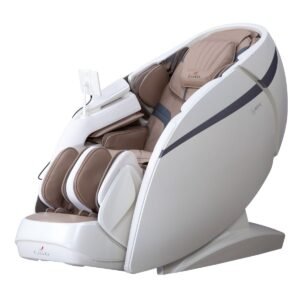
Casada Skyliner III - Cream
€ 9.083 (excl. VAT) -
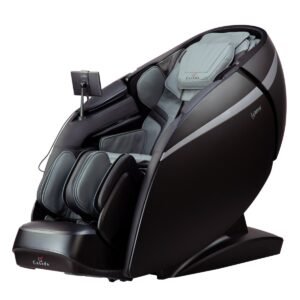
Casada Skyliner III - Black
€ 9.083 (excl. VAT) -
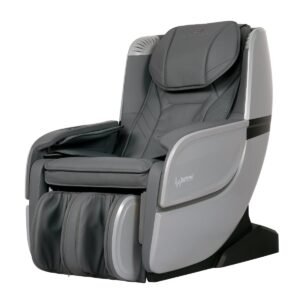
Casada Ecosonic - Silver
€ 2.471 (excl. VAT) -
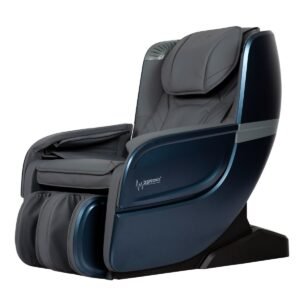
Casada Ecosonic - Blue
€ 2.471 (excl. VAT) -
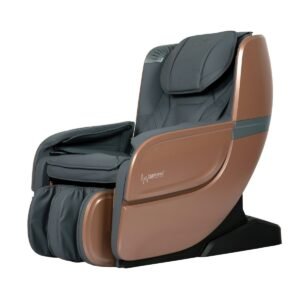
Casada Ecosonic - Bronze
€ 2.471 (excl. VAT) -
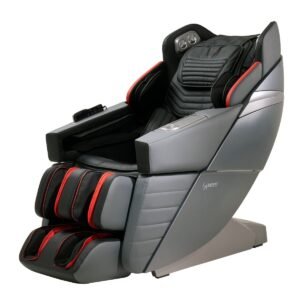
Casada Alphasonic III - Black&Red (limited edition)
€ 4.955 (excl. VAT) -
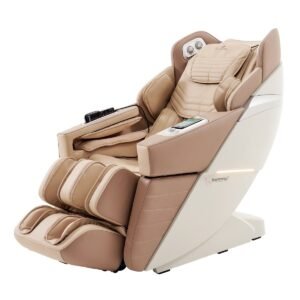
Casada Alphasonic III - Khaki
€ 4.955 (excl. VAT) -

Casada Betasonic III
€ 4.128 (excl. VAT)